Home
Home
 Categories
 Discover
 My Machmall
Turkey's Plans for Rebuilding after a Catastrophic Earthquake
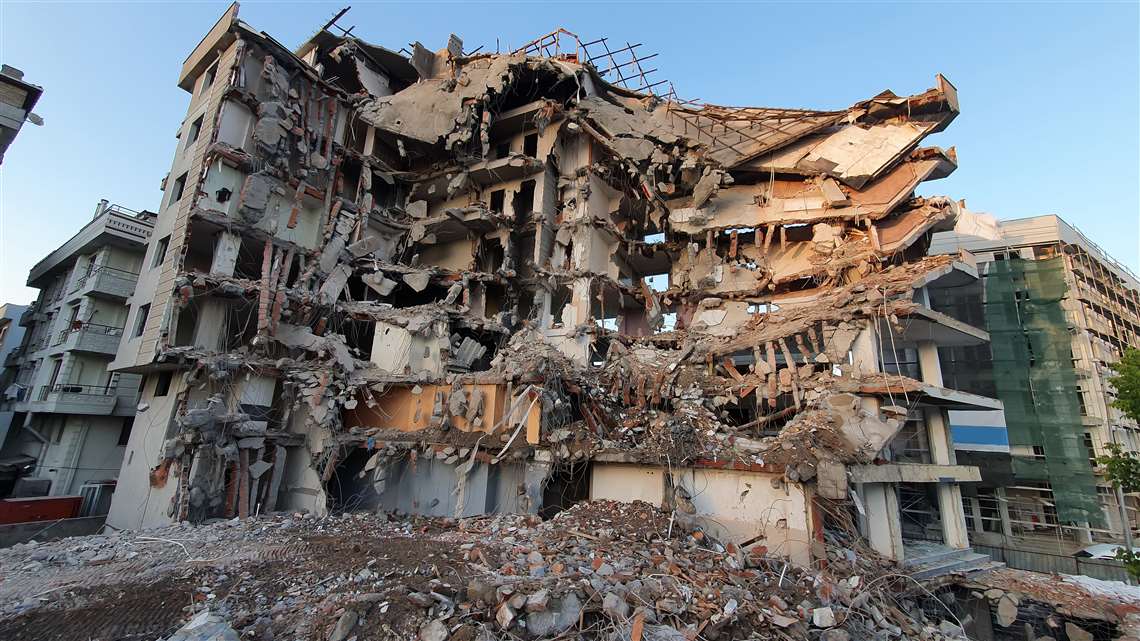
It’s now over a month since two earthquakes
in rapid succession devastated parts of Turkey and neighbouring Syria, leaving
behind a trail of destruction that is still difficult to truly comprehend. On a
human level, the death toll is estimated at around 51,000 people, of which
around 45,000 were in Turkey. Meanwhile, millions more have been left uprooted
across a 200-mile-long path of destruction.
The earthquakes – a magnitude 7.8 quake 23
miles west-northwest of Gaziantep in Turkey on 6 February, followed by a
magnitude 7.7 earthquake later in the day 59 miles north of the first – have
also destroyed hundreds of thousands of buildings. Recent estimates have put
the number of buildings either destroyed or severely damaged at more than
200,000.
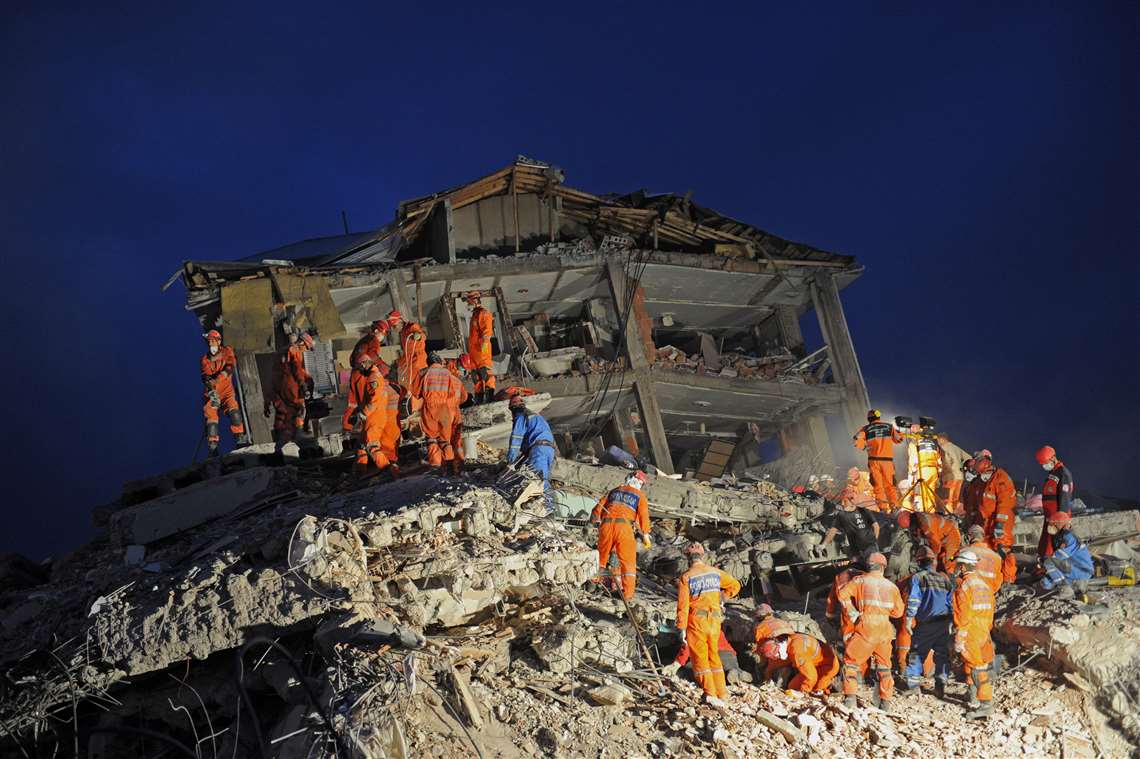
Now that the rescue efforts are over, the
need to rebuild housing and infrastructure for all the people who have been
displaced is pressing. And it is likely to cost tens of billions of dollars.
Facing a general election this year,
Turkish president Recep Tayyip Erdoğan’s
government was swift to launch an investigation into building contractors after
tens of thousands of buildings collapsed. So far, nearly 200 people have been
arrested as a result of those investigations. Meanwhile, at the start of this
month, Erdoğan pledged, “We will
build better buildings in the place of those which collapsed. We will win
hearts and we will unroll a new future in front of our people.”
To achieve this, the government has
promised to build a total of 488,000 homes across the region affected by the
earthquake within a year, in a highly ambitious programme. Taking charge of the
effort is the Ministry of Environment, Urbanization and Climate Change, led by
environment and urbanisation minister Murat Kurum. Meanwhile, Turkey’s housing
authority TOKİ is the mandated agency
for the reconstruction effort in the affected cities.
But the scale of the challenge is huge
given the extensive damage, and experts warn that careful planning will be
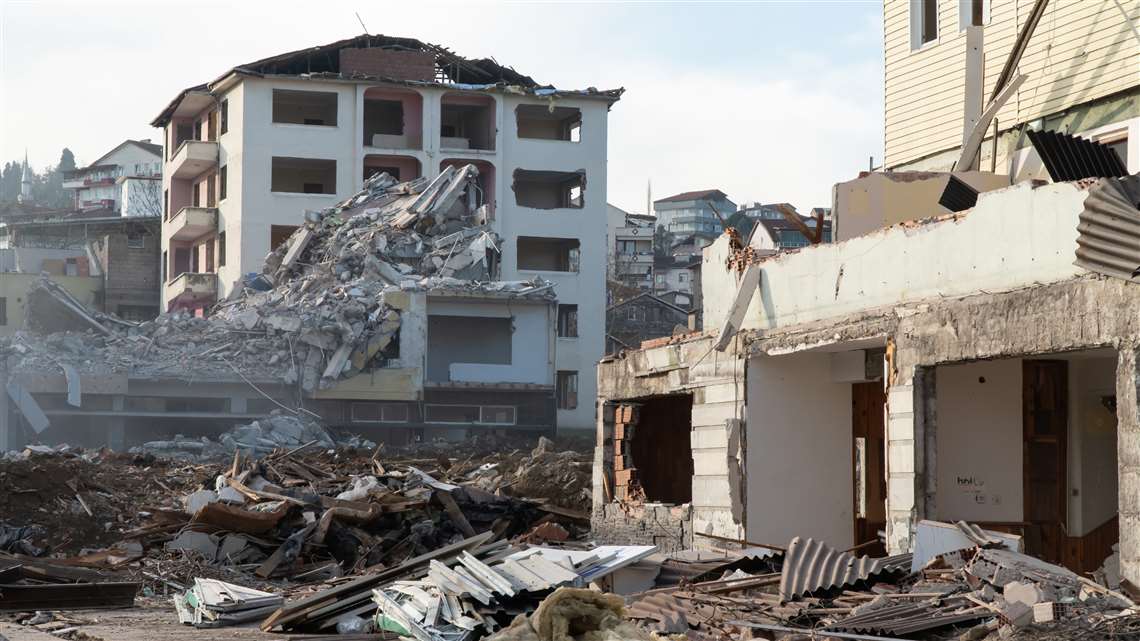
required. Official assessments of buildings in the earthquake-hit region have
suggested that up to 232,000 buildings – around 30% of the existing building
stock – will have to be demolished, while many more will need retrofitting and
reinforcements. The World Bank estimates the cost of direct physical damage in
Turkey at US$34.2 billion, with the final recovery and construction cost
potentially twice as large.
As Turkey looks to rebuild, many are calling
for an approach that integrates zoning, building life cycle management and
sustainable urban development. This will require involvement from all
construction disciplines – city planners, landscape architects, interior
architects and engineers – and a focus on careful planning. Building densities,
land use and transport connections are all likely to change as a result of the
reconstruction, and authorities will need to consider safe power storage
options in case of future disasters. But if Turkey can demonstrate that it can
handle the process of post-disaster recovery and development planning, apply
risk-based land use planning and zoning management, introduce stricter codes
for quality controls during construction processes, and develop emergency action
plans, it could attract more funding to support the rebuilding effort.
Keyword